
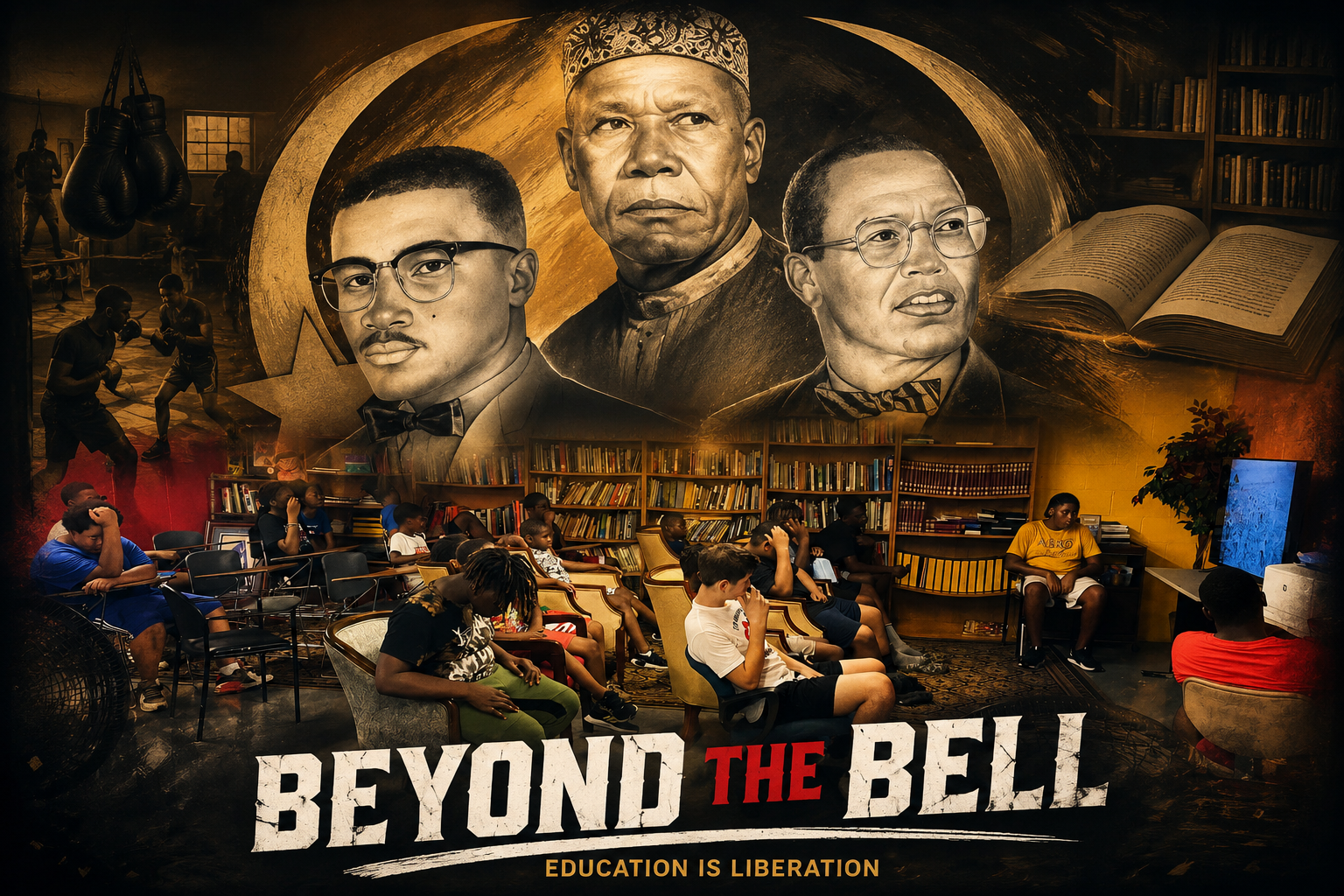
Shakir Robinson’s 26-year mission to build disciplined minds, strong bodies and a community that refuses to leave its children behind
Interview and story by Shabazz | Kourage & Kulture
FOUR LAW FOCUS: RESPECT THE BUILDER
EDUCATION BEGINS WITH READINESS
For Robinson, educating Black children cannot begin and end with what happens during the traditional school day.
“Our information is vital,” he said. “If the kids can’t get it at home, it has to be institutions and grassroots programs that encourage them and make them believe their dreams can really come true.”
That responsibility does not mean lowering expectations. Robinson argues for the opposite: prepare children so thoroughly that they enter the classroom ready to excel.
“When they go to public schools, they should be the best students in the schools,” he said. “But we need after-school programs. We need outside programs. We have to teach our kids to do the extra.”
Robinson’s approach connects academic preparation with personal discipline.
The lesson is simple: young people should not be trained merely to survive the minimum requirements placed before them. They should be prepared to exceed them.
Homework matters.
Studying matters.
Physical conditioning matters.
Focus matters.
Showing up prepared matters.
At CEE, boxing provides another environment where those principles can be practiced. A young person quickly discovers that progress requires consistency—and that preparation cannot be faked.
For Robinson, those habits must travel beyond the gym.
The discipline developed in training should become discipline in the classroom, discipline at home, and eventually discipline in adulthood.
BLACK HISTORY AND KNOWLEDGE OF SELF
Robinson believes academic development must include something deeper than completing assignments.
Young people must know themselves.
That principle shows up in CEE’s programming. Robinson described a six-week summer academic fitness boot camp that combines physical development with education—including lessons in Black history.
One subject the young people studied was Black Wall Street, the prosperous Black business district in Tulsa’s Greenwood community that was devastated during the 1921 Tulsa Race Massacre.
For Robinson, history like this serves a purpose beyond remembering tragedy.
It allows young people to see Black people as builders, business owners, professionals, organizers and institution-creators—and to understand that their history contains achievement alongside struggle.
That understanding becomes part of what Robinson calls knowledge of self.
Because when young people understand what previous generations were capable of building, the possibilities for what they can build themselves begin to look different.
TRAINING THE MIND AND THE BODY
CEE’s approach refuses to separate physical development from intellectual development.
Robinson described the organization’s summer program as an academic fitness boot camp—a phrase that captures the philosophy behind the work.
Young people exercise their bodies.
They exercise their minds.
They study.
They train.
They learn history.
They practice discipline.
And they are expected to develop habits that extend beyond the program itself.
Boxing becomes especially useful because the sport exposes preparation—or the absence of it.
A young person can possess natural ability, but ability without conditioning, concentration and consistency eventually meets its limits.
The same principle applies to education.
Intelligence is potential. Discipline develops that potential.
For Robinson, the objective is not simply producing better boxers.
It is helping develop young people who understand that excellence—in school, athletics and eventually adult life—requires preparation and sustained effort.
GRASSROOTS EDUCATION AND COMMUNITY RESPONSIBILITY
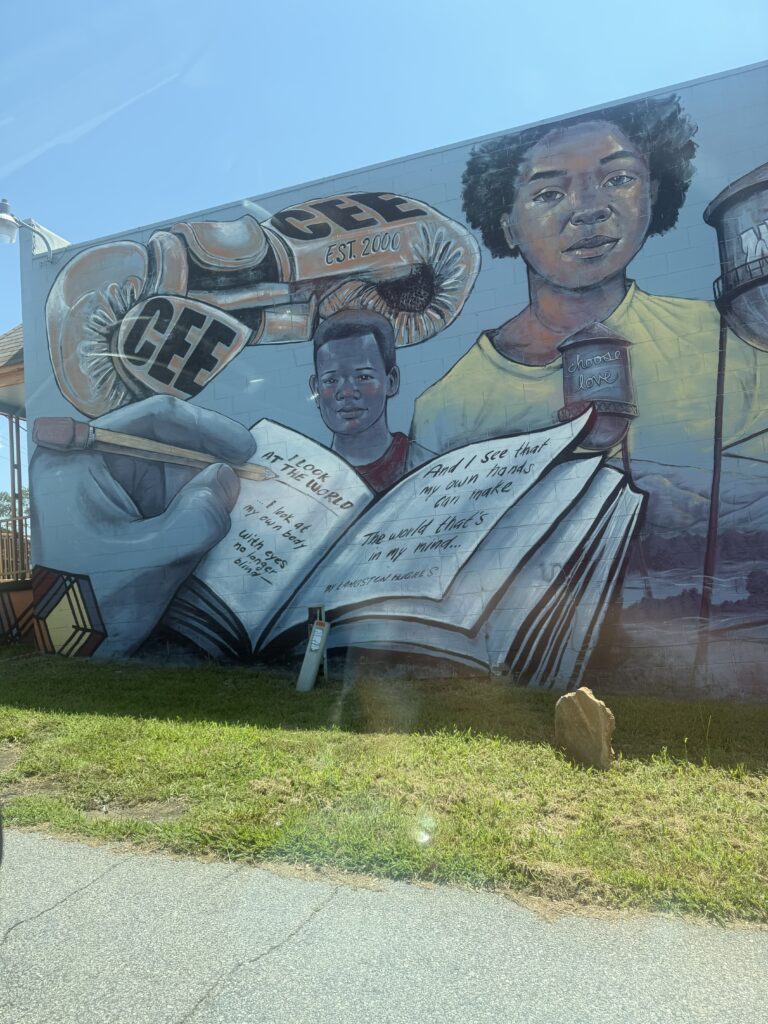
Robinson does not believe the responsibility for educating children can be placed entirely on the traditional school system.
Schools have a role.
Families have a role.
But communities have a role too.
That is where grassroots institutions become essential.
“If the kids can’t get it at home, it has to be institutions and grassroots programs that encourage them and make them believe their dreams can really come true,” Robinson told Kourage & Kulture.
That philosophy places responsibility directly in the community.
It means creating places where young people can receive tutoring, mentorship, physical training, cultural education and encouragement beyond the hours of the traditional school day.
It also means adults cannot simply identify problems affecting young people and wait for someone else to solve them.
Community becomes powerful when concern is transformed into institution-building.
For more than two decades, that has been the work Robinson and the Center for Educational Equity have attempted to sustain: creating another layer of support around young people and giving them a place where education, discipline and development can meet.
UJIMA: COLLECTIVE WORK AND RESPONSIBILITY
Behind Robinson’s philosophy is a principle that reaches beyond boxing and beyond any single organization:
Ujima — collective work and responsibility.
The third principle of Kwanzaa calls on people to build and maintain their community together and to make the problems of the community shared responsibilities.
That idea is visible in Robinson’s approach to youth development.
A struggling child is not simply somebody else’s child.
A young person who needs direction is not somebody else’s problem.
And building the next generation cannot be left entirely to teachers, coaches, parents, government agencies or nonprofit organizations working separately.
Everybody has a piece of the work.
For CEE, that means combining education, mentorship, athletics, cultural knowledge and community participation rather than expecting one institution to carry the entire burden.
It also means measuring success by something larger than victories inside the boxing ring.
The real victory is a young person becoming disciplined enough to take responsibility for their own future—and eventually strong enough to help build somebody else’s.
26 YEARS OF THE WORK
Programs can be announced overnight.
Institutions are built over time.
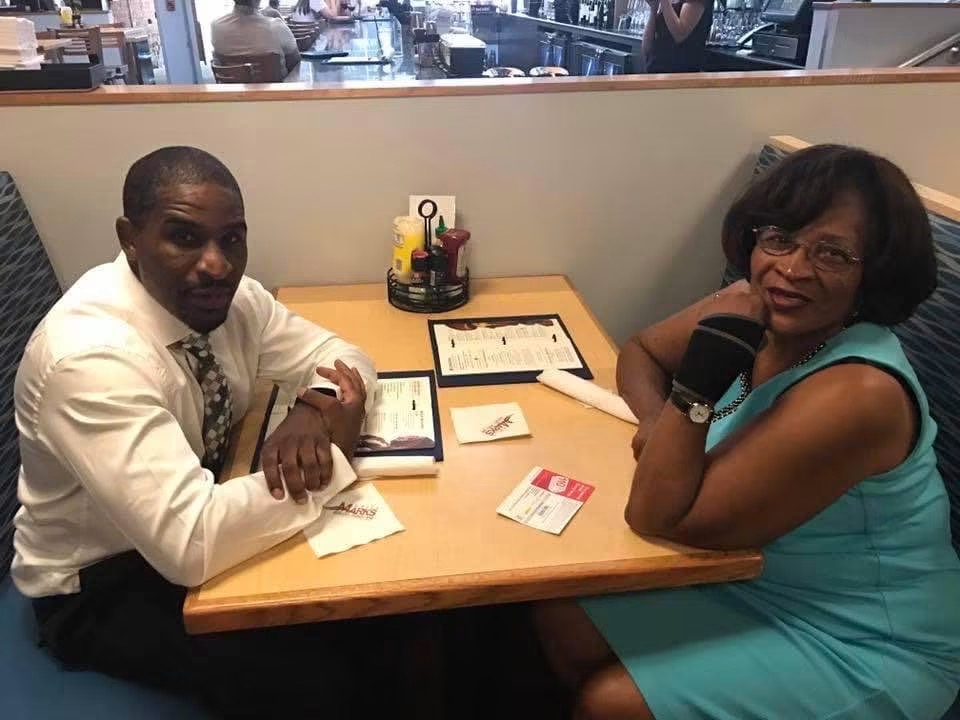
For Robinson, the work surrounding the Center for Educational Equity represents more than two decades of showing up for young people.
That longevity matters.
Generations change. Neighborhoods change. Technology changes. The pressures facing young people change.
But the fundamental need for guidance, education, discipline, opportunity and adults willing to invest in children remains.
Robinson’s journey also demonstrates that community work is rarely glamorous.
It requires consistency when attention disappears.
It requires continuing when resources are limited.
It requires believing that developing one young person matters—even when the larger problems confronting the community cannot be solved overnight.
Twenty-six years later, the mission remains centered on what Robinson described during our conversation as youth development.
Boxing may be what catches a young person’s attention.
But the objective is larger:
Develop the mind. Strengthen the body. Build discipline. Know yourself. Prepare for life.
That is the work beyond the bell.
THE WORK CONTINUES
After 26 years, Robinson’s message is not that the work is finished.
It is that the work must continue.
Young people still need places where expectations are high.
They need adults willing to correct them, encourage them and remain present long enough to see development take place.
They need access to their history.
They need academic preparation.
They need discipline.
And they need opportunities to discover that their circumstances do not have to determine the limits of their future.
Robinson’s challenge to the community is ultimately bigger than CEE.
Do the extra.
Build the programs.
Support the children.
Teach what the traditional classroom cannot provide by itself.
And create environments where young people can begin believing that their dreams are achievable—and then develop the discipline necessary to pursue them.
Because youth development is not accomplished through slogans.
It happens when somebody consistently does the work.
The story of the Center for Educational Equity reminds us that education has never belonged exclusively to a classroom.
Sometimes the teacher carries a textbook.
Sometimes the teacher wears boxing gloves.
Sometimes the lesson is history.
Sometimes the lesson is discipline.
But the responsibility remains the same:
Prepare the next generation to know who they are, understand what they are capable of, and develop the discipline to turn possibility into achievement.
That is why CEE belongs in this issue of Kourage & Kulture.
Because education becomes liberation when knowledge leaves the page, enters the life of a young person—and gives that young person the tools to build a future.
Beyond the bell, the education continues.
— Kourage & Kulture