
Workforce development, Black business ownership, cooperative economics and the power of knowing your numbers
A job can change somebody’s week.
A career can change a family’s future.
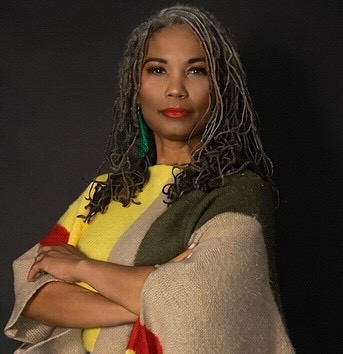
For Dr. Stacia Thompson, economic mobility is not simply about helping someone get hired. It is about helping people build the skills, confidence, financial knowledge and ownership mindset needed to keep moving forward.
Dr. Thompson has spent roughly 25 years working across workforce development, higher education, entrepreneurship and economic development.
Her career has included student support, Upward Bound, technical education and workforce programs that connected people to employment—including individuals preparing to return home from incarceration.
Today, her work continues to connect opportunity with something deeper:
mobility.
A Job Is Not the Same as a Career
Thompson makes a clear distinction between helping someone get employed and helping that person build a sustainable future.
Getting a job may mean preparing for an interview and receiving an offer.
Keeping that job takes more.
Showing up on time.
Understanding workplace expectations.
Communicating with supervisors.
Knowing how to handle conflict.
Understanding what happens when you call off, miss work or need to navigate workplace policies.
Thompson does not like calling those abilities “soft skills.”
As she explained, there is nothing soft about them.
They are essential skills.
For workers entering environments they may never have experienced before, those skills can determine whether employment becomes temporary income or the beginning of a career.
Workforce Development Should Measure Movement
Thompson believes workforce programs should look beyond placement numbers.
A person getting hired is important.
But then what?
Are they earning a family-sustaining wage?
Are they moving into higher-skilled positions?
Are they gaining credentials?
Are they learning how to navigate the workplace?
Can the first job become a stepping stone toward something better?
Thompson used certified nursing assistants as one example. Earning a CNA credential can open a door, but depending on the employer and location, the wage may still leave someone struggling financially.
So the real question becomes:
Where does that credential lead next?
A strong workforce system should create a pathway, not simply a placement.
Reentry Is Stronger When People Return With Skills
Some of Thompson’s workforce work included people who were still incarcerated.
She described programs that allowed participants to gain job skills and begin working before release.
In one example, Thompson said a woman working a full-time CNC position while incarcerated was able to save approximately $15,000 after meeting financial obligations.
For Thompson, that story was bigger than the money.
It was about what employment can do for reentry.
Work creates experience.
Experience creates confidence.
Income can create savings.
And savings can give someone breathing room when they come home.
That can make the difference between returning to society with nothing and returning with a foundation.
Black Businesses Need Support—and Preparation
Thompson is also a strong supporter of Black entrepreneurship.
But she challenges entrepreneurs to be ready for the support they ask the community to give.
She said people often see the success of other business owners without seeing the work behind it.
The planning.
Training.
Long hours.
Overhead.
Staffing.
Pricing.
Permits.
Inventory.
Cash flow.
As Thompson explained, being able to cook does not automatically mean someone is ready to operate a restaurant.
Running the business creates an entirely different set of responsibilities.
Entrepreneurs have to ask themselves difficult questions.
Can I afford to be in business?
Do I really need a storefront yet?
Should I keep another source of income while the company grows?
Is this actually the right time to go full time?
Those are not negative questions.
They are ownership questions.
Know Your Numbers
When Kourage & Kulture asked Thompson what financial infrastructure a small-business owner should build first, she did not start with a logo, website or storefront.
She started with the books.
Get a bookkeeper.
Get an accountant.
Learn how to use accounting software such as QuickBooks.
Track every expense.
Even the one-dollar expense.
Know what is coming in.
Know what is going out.
Know which products make money.
Know the cost of operating.
Know the break-even point.
Know whether the price you are charging makes sense.
Thompson summed up the lesson plainly:
“Numbers don’t lie.”
That message belongs directly inside The Financial Gym.
A business owner cannot make strong decisions using frustration alone.
The numbers tell you whether the problem is pricing.
Overhead.
Market size.
Expenses.
Sales.
Or the business model itself.
Support Your Community—But Understand Your Market
Thompson believes strongly in supporting Black-owned and woman-owned businesses.
But she also encourages entrepreneurs to think beyond a narrow customer base.
If other communities need the product or service, why not serve them too?
She encouraged business owners to study their market, understand their local population and be realistic about who can become a customer.
She also stressed basic professionalism.
Do the paperwork.
Get the permits.
Stay compliant.
Be ready when the opportunity arrives.
Supporting Black business and building sustainable Black business are connected—but they are not identical.
Community loyalty matters.
Business readiness matters too.
Cooperative Economics Without Giving Up Ownership
Thompson also described cooperative economics in practical terms.
Entrepreneurs do not have to merge companies or surrender control to work together.
Collaboration can be simple.
Cross-promote.
Host events together.
Share one another’s posts.
Carry another entrepreneur’s products.
Pop up together.
Create a joint product.
Introduce your audience to somebody else’s business.
Through her own collective model, Thompson explained that customers who come for one entrepreneur may discover another simply because both businesses are sharing the same ecosystem.
Her philosophy is simple:
“When one eats, we all eat.”
That is cooperative economics without sacrificing ownership.
Burnout Can Become an Economic Problem
Thompson also connects economic strength to something many entrepreneurs overlook:
rest.
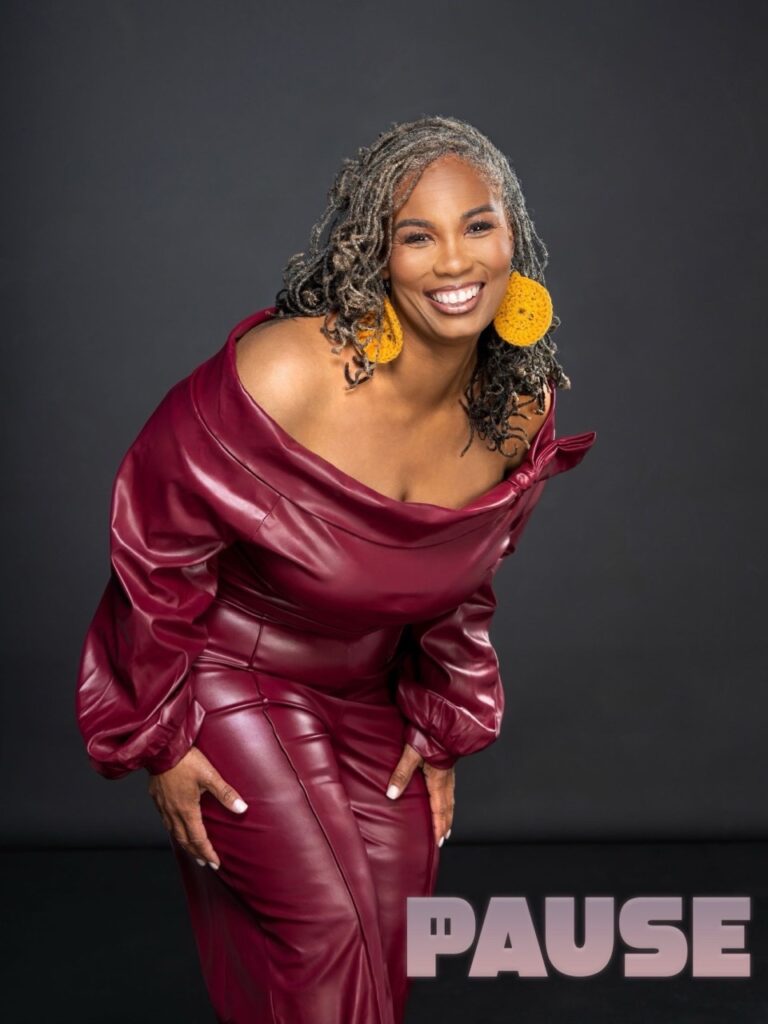
She is the author of PAUSE: The Power of Intentional Rest.
Her argument is practical.
If exhaustion leaves you mentally drained, emotionally depleted or physically unable to perform, productivity suffers.
Leadership suffers.
Decision-making suffers.
Business suffers.
Thompson discussed the importance of planning mental-health days and intentionally creating room for recovery instead of waiting until burnout forces the body to shut down.
As she put it:
“You can’t pour from an empty cup.”
She said she now plans rest around demanding work periods because the work may continue, but the body still needs time to recover.
For entrepreneurs, rest is not always time taken away from the business.
Sometimes rest protects the business.
Every Young Person Needs a Plan
Thompson believes economic mobility also has to begin before adulthood.
Her message is not that every young person must attend a four-year university.
Her position is that every young person should have a post-secondary plan.
That plan may involve:
- College
- Technical school
- Apprenticeship
- Certificate training
- Military service
- Direct employment
- Entrepreneurship
The route should fit the student.
Thompson also believes students should be exposed earlier to careers, STEAM, STEM, technical education and entrepreneurship.
Not senior year.
Earlier.
Children should understand what different professions require, what opportunities exist and what pathways can connect their interests to careers.
She also stressed that entrepreneurial thinking has value even for young people who never become business owners.
Problem-solving.
Initiative.
Planning ahead.
Adaptability.
Those abilities work almost anywhere.
The Financial Gym Lesson
Near the end of the conversation, Kourage & Kulture asked Thompson to complete one sentence:
Economic empowerment begins when we…
After thinking through the question, Thompson landed on an answer that reaches beyond a paycheck:
“Economic empowerment begins when we have a better relationship with money.”
That relationship is bigger than income.
It means understanding what your money is doing.
Understanding what your labor is producing.
Knowing whether your job has a pathway.
Knowing whether your business numbers make sense.
Knowing when collaboration can create leverage.
Knowing when ownership is possible.
Knowing when exhaustion is costing you more than rest would.
And teaching the next generation that economic mobility does not come from following one predetermined path.
It comes from developing skills, knowledge, options and ownership.
For Dr. Stacia Thompson, the goal is not simply getting people into jobs.
It is helping them build the ability to move.
From job to career.
From worker to owner.
From idea to sustainable business.
From exhaustion to intentional performance.
From earning money to understanding money.
That is economic mobility.
And that is the workout.
Kourage & Kulture
Reclaim the Narrative. Build the Future.
kourageandkulture.com
news@kourageandkulture.com