

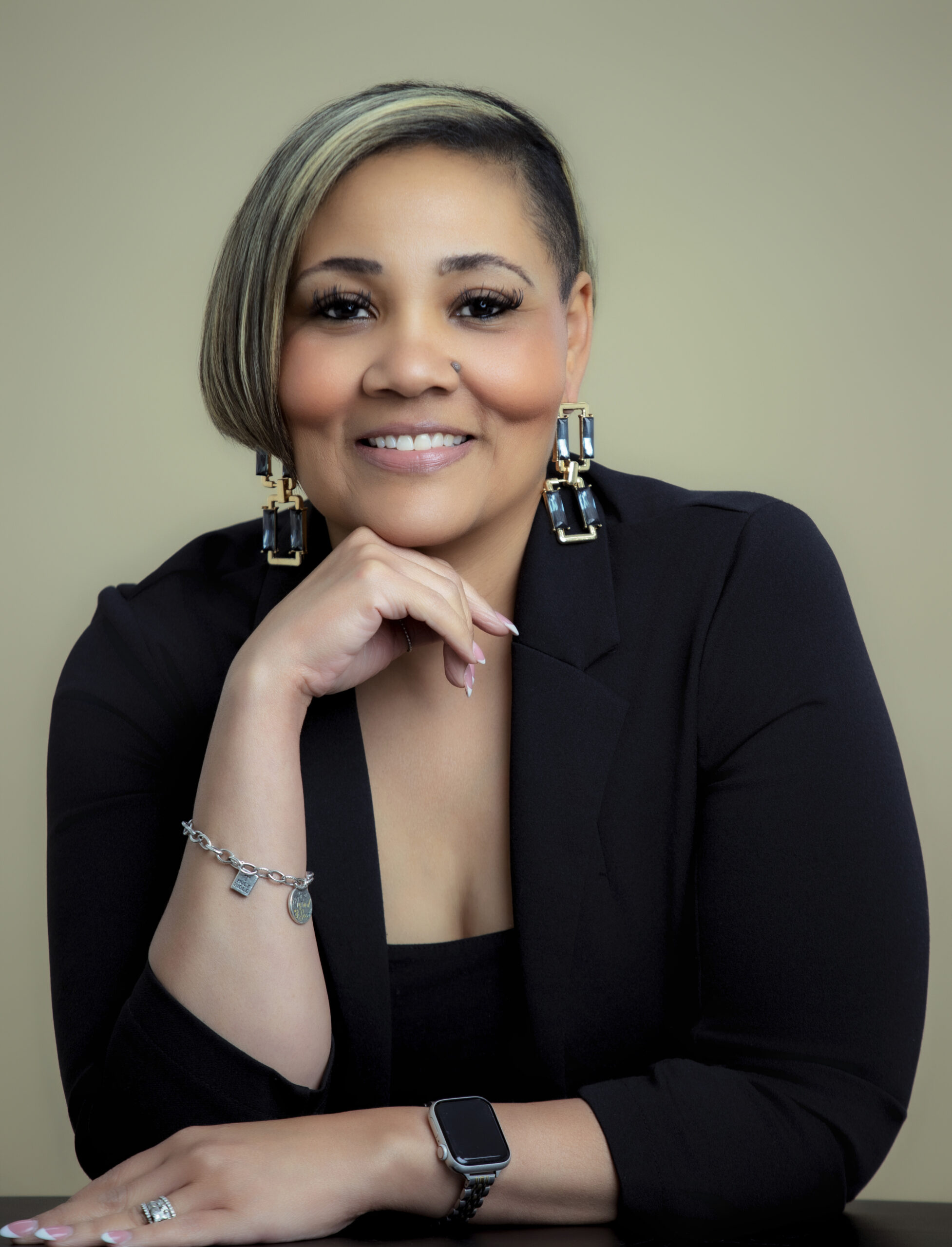
The licensed chemical dependency counselor and entrepreneur challenges the silence surrounding Black mental health while building businesses designed to serve families and future generations.
Some people are fighting battles nobody can see.
A father may be providing for his family while privately struggling with depression. A young man may bury his emotions because he was taught that crying is weakness. A person battling addiction may be using substances to escape pain that has never been addressed.
And behind prison walls, individuals may be carrying years of emotional wounds without knowing how to ask for help.
What happens when a community becomes so accustomed to surviving pain that it stops recognizing the need to heal?
That question drove Kourage & Kulture’s October 29 conversation with Dana Teate, LCDC, a licensed chemical dependency counselor, entrepreneur, wife, mother, and grandmother whose professional journey spans nearly two decades in criminal justice and substance-use counseling.
Originally from Southeast Texas’s Golden Triangle region, Teate has transformed her professional experience into business ownership and community service.
Her message is direct: Mental-health struggles should not be hidden, addiction requires meaningful intervention, and no one should sacrifice their future because they are afraid of what other people might think.
The Silence Surrounding Black Mental Health
When Kourage & Kulture asked Teate what she considered a major mental-health challenge affecting Black families, she immediately addressed the stigma surrounding counseling.
She described how some older generations encouraged people to rely on prayer while discouraging professional mental-health treatment.
Speaking from her own faith perspective, Teate argued that spiritual belief and professional healthcare need not conflict.
She compared seeking help for emotional distress with obtaining medical treatment for a physical injury.
The deeper concern, she explained, is that people may recognize they need help but avoid getting it because they fear judgment.
That fear becomes especially troubling when it prevents someone from acknowledging depression, substance-use problems, or emotional pain.
Seeking treatment is not a confession of weakness. It is an acknowledgment that a person’s health deserves attention.
Black Men Have Feelings, Too
One of the strongest moments of the interview centered on how Black boys and men are taught to handle emotions.
Teate spoke about her experience working with men in correctional environments. She recalled encountering individuals who believed they had to remain tough regardless of what they were experiencing.
She challenged the familiar instruction given to young boys when they cry: get up, stop crying, and behave like a man.
Her objection was simple.
The boy is still hurting.
“It is okay to cry. You’re human. You’re not a perfect person.”
The interview became especially personal when Kourage & Kulture founder Shabazz reflected on the responsibilities many Black men associate with protecting and providing for their families.
Those expectations can make emotional vulnerability difficult, even when a man understands that his feelings are natural.
Teate’s response was not to dismiss responsibility or strength, but to challenge the belief that men must deny their emotional needs.
Her argument raises a serious question for Black families:
If we teach our sons discipline but deny them the language to express pain, what kind of emotional foundation are we creating?
Addiction: The Substance Is Not Always the Whole Story
The conversation then turned toward substance use and its connection to painful experiences.
Teate emphasized that some individuals use drugs or alcohol to temporarily escape trauma, emotional distress, or unresolved personal problems.
“It’s actually deeper than that substance. You have to address the issue from within.”
Her point was that temporary relief does not necessarily resolve the circumstances or psychological struggles that contributed to the behavior.
Addiction is complex, and trauma is not its only cause. Biological, environmental, social, and psychological factors can all contribute to substance-use disorders.
Still, Teate’s experience has led her to emphasize counseling, honest self-examination, and treatment rather than relying on substances to suppress painful feelings.
Kourage & Kulture sees an important distinction here.
We must stop treating addiction only as a moral failure while ignoring the health needs and circumstances that may accompany it.
Accountability matters. So does understanding what a person is struggling to overcome.
A Warning to the Younger Generation: Freedom Is Everything
Drawing on her years in criminal justice, Teate delivered some of her most forceful advice directly to young people.
She warned against following friends into decisions that could lead to incarceration or death.
Her concern was not simply about punishment. It was about the lasting consequences of choices that may take only moments to make.
“Freedom is everything.”
Teate urged young people to consider what happens when the excitement fades, the crowd disappears, and they must personally face the consequences.
She also reminded listeners that families can be left struggling with the aftermath of those decisions.
Her message connects directly to Kourage & Kulture’s commitment to youth development, lawful opportunity, and protecting the future of Black families.
The purpose is not to define young people by their mistakes.
It is to provide information, judgment, mentorship, and alternatives before destructive decisions become irreversible.
Real freedom must be protected through knowledge, discipline, and the decisions we make when nobody else is taking responsibility for us.
Building Businesses That Serve the Community
Teate is not only speaking about the need for better services. She is helping build organizations intended to provide them.
During the interview, she explained that Step Forward Treatment Center, established in 2023, transitioned to the name Step Forward Services as its services expanded.
She clarified that the organization is not an inpatient treatment facility, correcting a misunderstanding that its former name sometimes created.
According to Teate, its services include insurance-based psychotherapy, parenting classes, and drug-screening services, including Department of Transportation-related screenings.
She also discussed Ascend Community Group, which serves children receiving Medicaid and provides services including targeted case management and skills development.
Her approach reflects an important principle: community development requires institutions, not merely conversations.
Building services that families can actually access is one way to turn concern into practical support.
Outside behavioral health, Teate described business ventures involving her husband and sisters, including a barbershop and beauty shop.
These enterprises represent something beyond individual entrepreneurship.
They reflect family collaboration, economic activity, and an effort to create assets that can benefit future generations.
The Woman Behind the Work
Despite the demands of multiple businesses, Teate also spoke openly about the pressure of balancing professional responsibilities, marriage, and family.
She described how her sisters, husband, and other relatives contribute to their ventures.
Her children are now adults, giving her greater flexibility, although she and her husband remain involved in their grandchildren’s lives.
She also discussed her husband’s community involvement, including school board service and youth football activities.
Yet even with that support, the responsibilities can become exhausting.
Teate acknowledged that she sometimes reaches the end of the day feeling completely drained.
When asked how much attention she gives her own self-care, she admitted that it is an area she needs to improve.
That admission gives the interview an additional dimension.
Even professionals dedicated to the well-being of others must confront the demands on their own emotional and physical health.
Building a legacy should not require neglecting the person doing the building.
A Legacy Beyond Money
Near the conclusion of the interview, Teate explained what she hopes to accomplish through her work.
She wants more people to feel comfortable acknowledging their mental-health needs and seeking professional support.
She also wants to leave family businesses that her children, grandchildren, nieces, and nephews may eventually continue.
But her definition of legacy extends beyond ownership.
She wants to be remembered as someone who cared about people, uplifted others, and worked to make a meaningful difference in her community.
This reflects a larger responsibility.
Financial assets matter. Institutions matter. Business ownership matters.
But so do the values, opportunities, and examples we leave for the next generation.
Block Out the Noise. Protect Your Life.
When asked what advice she would give someone who needs help but feels afraid to seek it, Teate made her priorities unmistakable.
“Don’t be afraid to seek help, and you need it, because this is your life.”
She urged people not to allow outside opinions to determine whether they protect their health.
She also emphasized the importance of maintaining environments supportive of recovery, including avoiding situations where substance use could jeopardize progress.
Her message to young people was equally urgent: Their lives have value, their families need them, and they have futures worth protecting.
In the end, Teate returned to a central belief—people must be willing to seek help, and communities must make doing so more acceptable and accessible.
The Future Requires More Than Survival
Dana Teate’s interview brought together mental health, addiction, incarceration, entrepreneurship, family responsibility, and generational wealth.
These subjects are connected by a larger question:
What are we creating for the people who come after us?
Kourage & Kulture believes the answer must include stronger families, greater emotional understanding, accessible services, responsible ownership, and opportunities for young people to build stable lives.
We cannot continue expecting our communities to carry untreated pain indefinitely.
Nor can we build lasting institutions while ignoring the health of the people expected to sustain them.
The goal is not simply to survive what damaged us. The goal is to develop the knowledge, support, and institutions that help prevent unnecessary suffering in the generations ahead.
That is the challenge Dana Teate brings to the conversation.
And that is the responsibility Kourage & Kulture intends to keep examining.
About Dana Teate, LCDC

Dana Teate is a licensed chemical dependency counselor and entrepreneur with extensive experience in criminal justice, substance-use counseling, and community behavioral-health services.
She described her involvement with Step Forward Services, formerly Step Forward Treatment Center, Ascend Community Group, and family-operated beauty and barbering businesses.
Dana Teate’s Services and Contact Information
Step Forward Services
Formerly Step Forward Treatment Center
Services described in the interview include insurance-based psychotherapy, parenting classes, and drug-screening services.
Ascend Community Group
Children’s Medicaid-related services, including targeted case management and skills development.
Business phone: 409-659-1656
Dana advised callers to use extension 1 or 2 for the appropriate services.
Instagram: @dayteate
Facebook: Dana LaPointe Teate
Dana did not provide an official business website during the interview. Readers should confirm current services, insurance eligibility, and availability directly with her organizations.
Mental-Health Resources
For free, confidential crisis support in the United States, call or text 988.
For substance-use treatment referrals in the United States, contact SAMHSA’s National Helpline at 1-800-662-HELP (4357).
Interview source: Kourage & Kulture Zoom conversation with Dana Teate, October 29, 2026. Edited for readability. Direct quotations were checked against the available Zoom-generated transcript; audio verification is recommended before publication.
KOURAGE & KULTURE LLC
Reclaim the Narrative. Build the Future.
kourageandkulture.com
news@kourageandkulture.com