

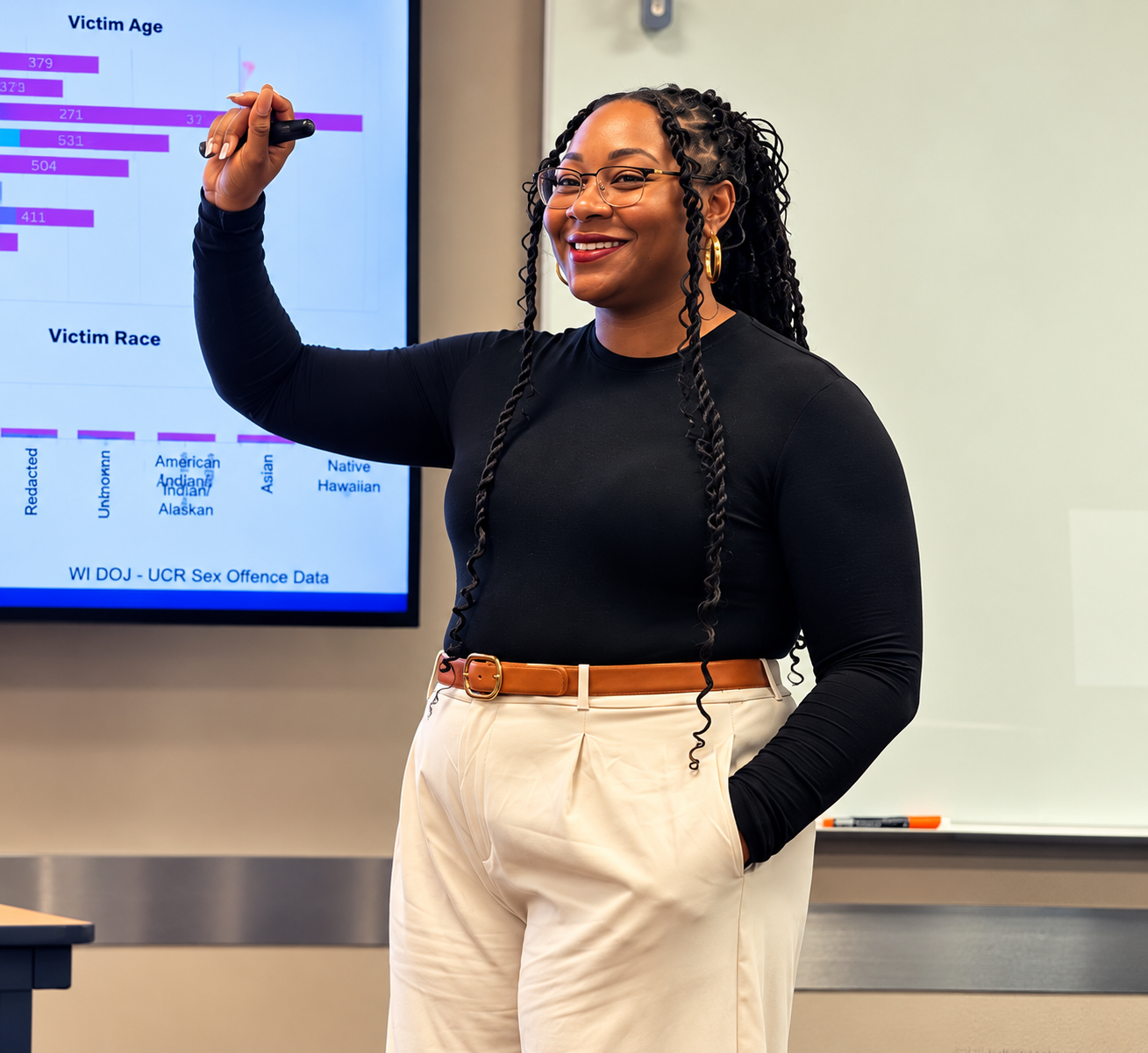
The founder of The Weight of Wildflowers explains why a survivor’s next chapter needs housing, financial stability and people who stay.
A safe place to sleep can change a survivor’s life. The next morning may still bring a missed shift, a childcare problem and bills that cannot wait.
Jasmyne Bass wants the people offering help to stay for that part, too.
In her October 19 interview with Kourage & Kulture, the advocate and founder of The Weight of Wildflowers challenged the idea that getting away from an abusive situation completes the work of rebuilding. She described what can remain after the immediate danger: damaged finances, disrupted routines and the difficult work of trusting your own decisions again.
A voice that belongs in the room
Bass said her own experience as a survivor informs her advocacy. She brings that experience alongside professional work in violence prevention and survivor support. During the interview, she described roles with End Domestic Abuse Wisconsin and RCC Sexual Violence Resource Center in Dane County, as well as the business she launched this year.
She spoke about what happens when a Black woman seeks help and the response centers on her tone instead of the harm she is trying to describe. Anger, uncertainty or difficulty explaining an experience can become another obstacle to being heard.
Part of Bass’s work is giving people language for experiences they have struggled to name. Another part is reaching the people who set the rules for support.
“I want to be in the room,” she said. She meant the rooms where decisions are made about eligibility, credibility and which organizations will receive help. She wants decision-makers to understand the consequences in somebody else’s life.
The person who looks fine may still need help
The Weight of Wildflowers gives Bass a way to speak about what survivors carry while continuing to work, parent and participate in everyday life. Those visible responsibilities can lead others to assume that a person is doing well. Bass wants room for “the capable person who needs help.”
A survivor can love their life and still have difficult days. A person can show up for others while needing somebody to show up for them. In Bass’s account, recognizing the whole person means allowing those realities to exist together.
She also described the importance of ordinary choices: deciding what you enjoy, changing your mind or saying that you do not want something. After experiences that undermine a person’s control, those choices can carry real meaning.
Through speaking, writing and education, Bass said she wants to own how she uses her voice. Her business creates space to bring her experience and creativity into work that asks families, workplaces and institutions to make life more livable for survivors.
Housing and income belong in the conversation
Bass described the questions a survivor may weigh before seeking help. Is there somewhere affordable to go? Can they get there? Who will watch the children? What happens to their job, and what happens when immediate assistance ends?
Those questions explain why advice to simply leave can miss the reality of the person hearing it. A service may exist, yet transportation, work schedules or eligibility requirements can put it out of reach.
“Money affects the choices a person can safely make,” Bass said.
She described how control over income, interference with work and damage to credit can continue affecting a survivor after a relationship ends. The next task may involve housing applications or finding employment after a long period outside the workforce. Financial independence, in that context, is connected to having choices.
The support she named was specific: help with a security deposit, reliable transportation, replacing documents or childcare that makes it possible to keep a job. These are ordinary expenses with enormous consequences for somebody rebuilding stability.
She also pressed organizations to examine their processes. Who has authority? Who shapes policy? What changes when a survivor says that a procedure has caused harm? Bass questioned the habit of defending an established process simply because it has always been done that way.
Support should leave the survivor in charge
Good intentions can become another form of pressure when helpers take over decisions. Bass wants support to strengthen a survivor’s ability to choose.
“For families and friends, support means staying connected without taking over,” she said.
She encouraged listening, asking what would be useful and offering something specific that can actually be delivered. That also means remaining someone a survivor can speak honestly with when their decisions are difficult for others to understand.
Bass described the need for relationships where boundaries are respected and a difficult day is not treated as proof that recovery has failed. People may grieve a relationship, a routine or the future they expected, even while recognizing that a situation caused harm.
Her approach begins by asking what stability means to that person. It could mean keeping children in the same school, sleeping through the night or having enough money to handle an unexpected expense. The answer should guide the help.
Accountability has to reach people we know
Bass made a direct appeal to the Black community: “Loving Black people means caring about what happens to us in our homes and relationships.”
That care includes taking harm seriously when the person responsible is a relative, a respected leader or somebody whose talent has earned admiration. She argued that a survivor should not have to protect another person’s reputation for everyone else’s comfort.
She was equally clear about responsibility. The person causing harm is responsible for that harm. Families and communities have a responsibility to consider what they excuse and how they respond.
Bass pointed to everyday behavior: humiliating a partner, refusing to respect a boundary or using money and private information to control someone. The response to those actions helps establish what a community will tolerate.
For her, “accountability requires changed behavior.” She connected that change to respecting boundaries, accepting consequences and recognizing that a survivor does not owe anyone reconciliation.
“You deserve care right now,” she told survivors. There is no requirement to have every answer before deserving support.
Bass’s challenge to the rest of us is to make that support useful. When somebody tells the truth about harm, the next response can be a promise kept, a practical need met or the patience to keep listening after the crisis has left everyone else’s attention.
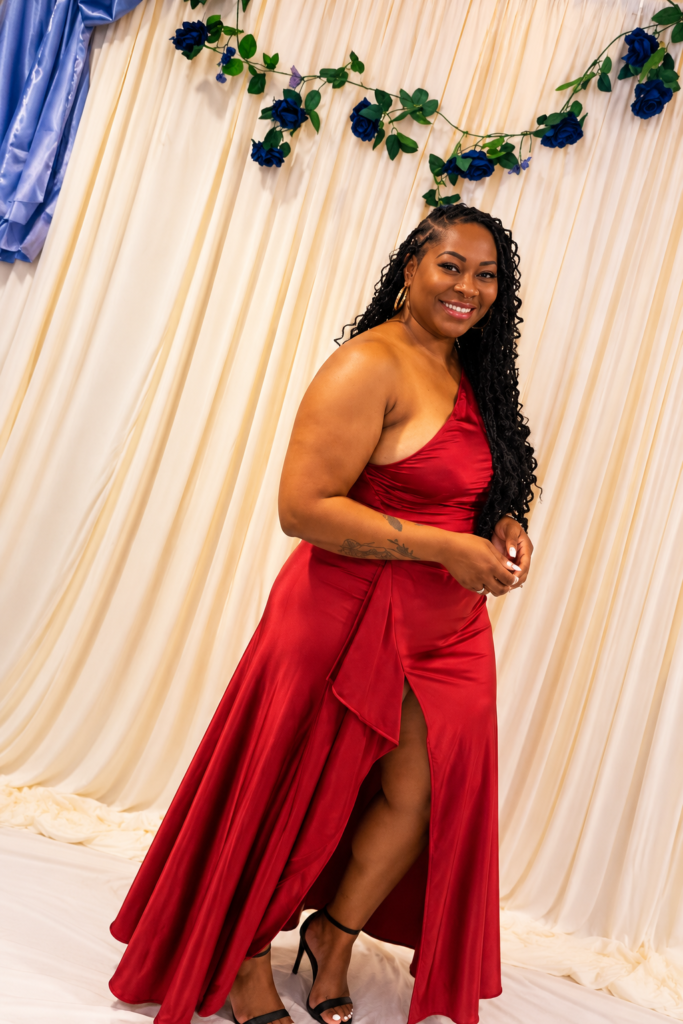
Connect with Jasmyne Bass on LinkedIn. The Weight of Wildflowers: weightofwildflowers@gmail.com | Business line: 262-208-4856.
KOURAGE & KULTURE
Reclaim the Narrative. Build the Future.
Freestyling the Facts — Where conversations become knowledge, knowledge becomes power, and power becomes progress.
Website: www.kourageandkulture.com
Contact: news@kourageandkulture.com