

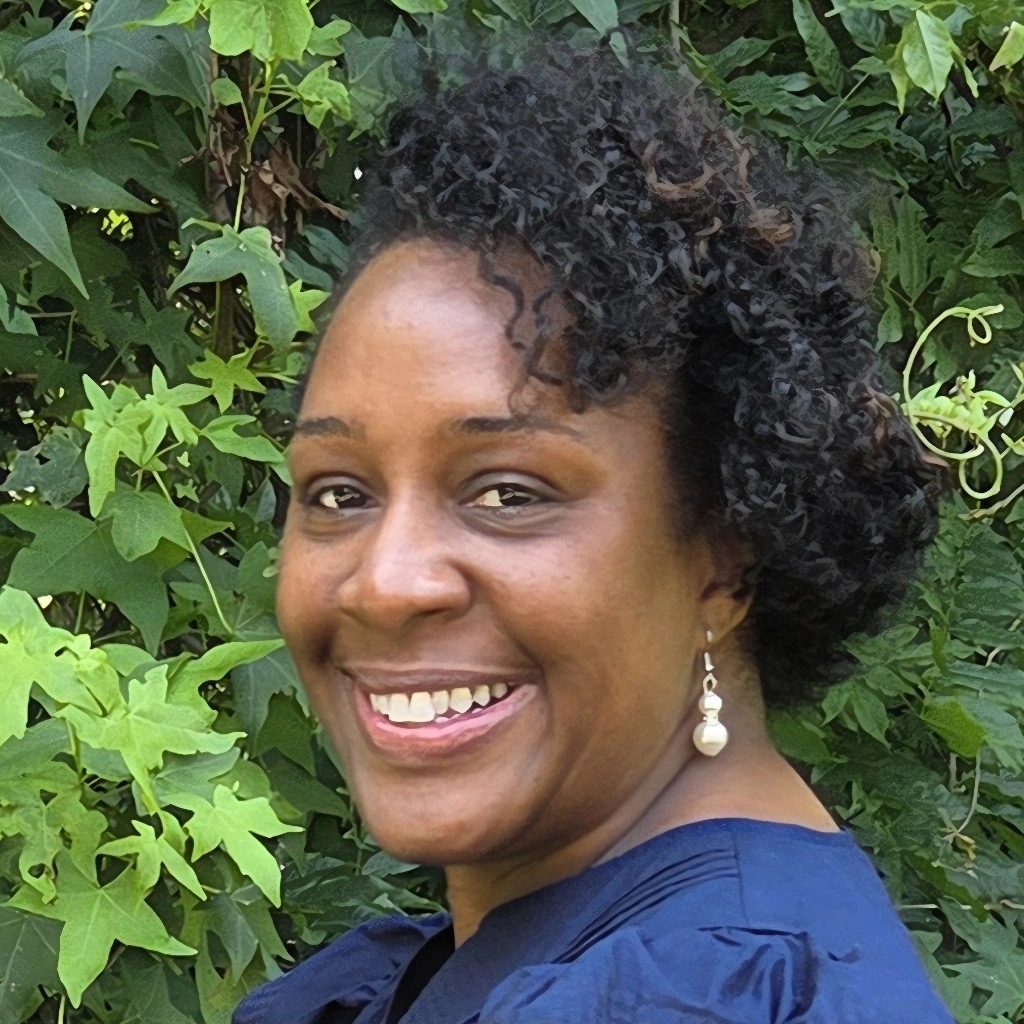
The human resources professional talks workplace bias, career changes and the responsibility to bring somebody else forward.
When Shabazz asked whether his hairstyle could cost him a professional opportunity, Terri Miller answered plainly.
“It definitely can happen, unfortunately.”
Then she turned the question around. An employer’s reaction, she explained, can reveal something about the company itself. A candidate is being evaluated, but that candidate also has a decision to make about the workplace they want to enter.
That exchange put the heart of Miller’s October 19 conversation with Kourage & Kulture on the table: how to pursue opportunity, prepare seriously and recognize the difference between professional expectations and assumptions about who belongs.
Miller brings experience from more than two decades in healthcare, followed by work in nonprofit organizations. She described moving into community development with Girl Scouts after the pandemic and later joining Project HOPE Foundation in human resources. The foundation lists her as a personnel supervisor on its HR team.
Her perspective reaches across both sides of the hiring process. She understands the preparation expected of an applicant. She also recognizes that the people deciding who gets through the door bring their own biases into the room.
Leadership has to reach back
For Miller, leadership begins with influence and the people willing to follow. A title means little if the person holding it forgets what it felt like to be new, overlooked or still learning the job.
She urged leaders to remember employees entering an organization and those working toward management. Her measure of leadership includes the willingness to “reach and lift up others.”
That responsibility is also shaping her doctoral work. Miller said her dissertation examines the factors that help or hinder women seeking C-suite positions, the senior executive roles where major organizational decisions are made. She described the additional challenges faced by women of color and her desire to help more of them move into top management.
When Shabazz raised the concern that highly educated Black women can be labeled overqualified, Miller carefully separated her research from her observations. She said that issue had not appeared in her research, even though she recognized it as something that happens in the workplace.
Her response was to keep education in perspective as an asset, even when a particular employer fails to offer an opportunity.
“All knowledge gives us power,” she said.
She encouraged people to continue applying and pursuing the roles they want. One employer’s decision does not settle what a person’s knowledge is worth.
Make your value easy to see
For someone changing careers or returning after time away, Miller emphasized keeping skills current wherever possible. She pointed to certifications and other ways of maintaining a skill set, then connected that preparation to the resume and interview.
“So that resume has to stand out as well,” she said.
Her advice asks applicants to explain the value they bring. Doing the work and communicating that work are related skills. An interview gives a candidate a chance to make the connection between their experience and what an employer needs.
Shabazz brought people returning from incarceration into the conversation, alongside those coming back after other interruptions. Miller agreed that the preparation she described could help people making those transitions. She offered a starting point built around skills and presentation, without promising that preparation removes every obstacle.
For a reader rebuilding a working life, that is a useful place to begin: identify what you can do now, strengthen what needs work and make sure your application communicates both clearly.
Your appearance and their assumptions
The conversation became especially direct around Black hair. Miller acknowledged that hiring decisions can be influenced by prejudice and that a company’s culture can shape how an applicant is received.
She encouraged attention to clothing, grooming and the expectations of a professional setting. She also made clear that Shabazz’s hairstyle could be worn professionally. Those points belong together. Preparation does not make a biased judgment fair, and natural or culturally significant hair does not tell an employer what a person is capable of doing.
Miller’s observation about company culture gives job seekers another question to consider: what does this interaction reveal about how I might be treated here? The answer may matter long after an offer arrives.
She also discussed adjusting behavior and language for the workplace, including what is often called code-switching. Her comments reflected the practical calculations people make as they move through different environments. Candidates can take those expectations seriously while still examining whether an organization respects them.
Help a young person handle the next step
Asked what an adult could do this month to help a young person move toward opportunity, Miller focused on soft skills, especially receiving feedback and adapting when events do not unfold as expected.
“Everything is not going to go fast and it’s not going to go your way,” she said.
She explained that direct feedback is not automatically an insult. Learning to hear a correction, consider it and use it can help a young worker grow. For the adults offering guidance, the opportunity is to make that process understandable and useful.
A practical way to act on her advice is to help someone rehearse an interview answer or revise a resume, then explain the reason for each correction. The lesson becomes something they can practice instead of another instruction to simply do better.
Miller closed by welcoming connections on LinkedIn and offering to share tips or opportunities when she can. That willingness brings her view of leadership back to its starting point. Getting through a door gives you a chance to help somebody else approach it with more preparation than you had.
For those still working toward their next opportunity, her message leaves room for ambition and self-respect. Build your skills. Learn to communicate their value. Pay attention to the people evaluating you. Your career deserves that level of care.
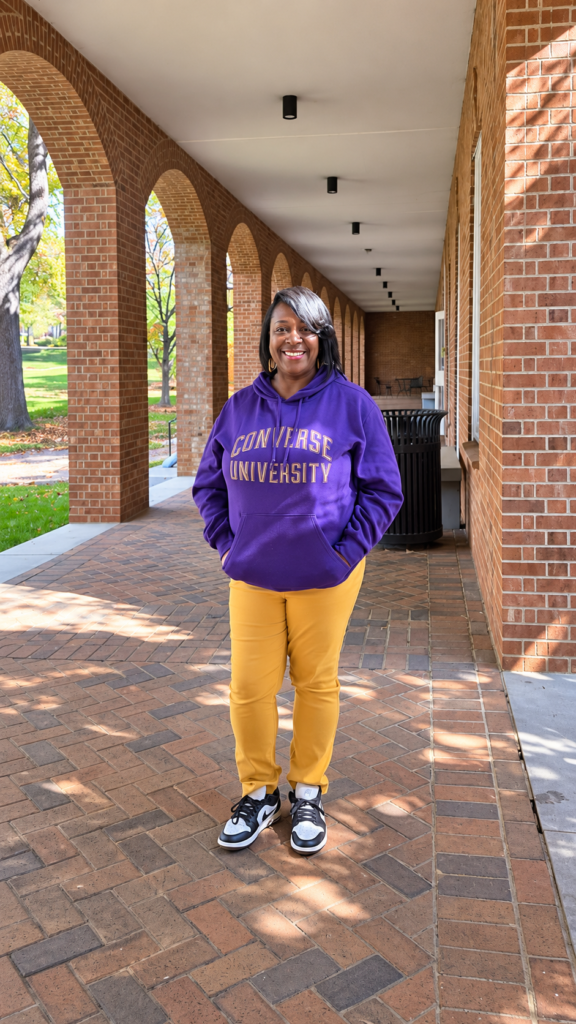
Connect with Terri Miller on LinkedIn. Her current organization is Project HOPE Foundation.
KOURAGE & KULTURE
Reclaim the Narrative. Build the Future.
Freestyling the Facts — Where conversations become knowledge, knowledge becomes power, and power becomes progress.
Website: www.kourageandkulture.com
Contact: news@kourageandkulture.com