

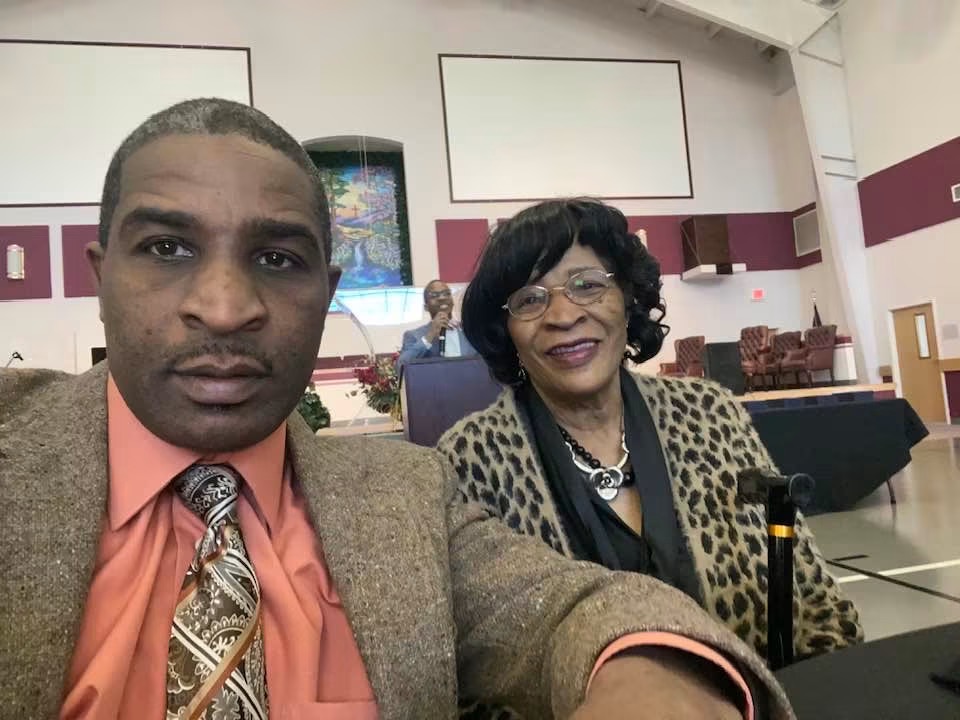
The Greenville youth leader on political accountability and the community work that must outlast election season
The campaign can end. The children still need somewhere to go.
For Shakir Robinson, that is where political promises meet their real test. In his October 22 conversation with Kourage & Kulture, the Greenville youth-program director kept returning to the distance between the attention a community receives during election season and the support its children receive afterward.
Robinson, who leads youth programming at the Center for Educational Equity, known as CEE, described 26 years of work with young people. His frustration came from trying to keep that work moving while feeling that the people positioned to help were too often absent.
He put his standard for leadership in one sentence.
“A leader’s supposed to do leader work.”
That sentence carried the interview. Robinson wanted leadership judged by what reaches the neighborhood: the resources a program can use, the opportunities a child can access, and the follow-through after a public promise.
The work behind the frustration
Robinson spoke as someone who has worked on both sides of the conversation. He recalled organizing for Tom Steyer’s presidential campaign, learning how to register voters, canvass neighborhoods, run phone banks, and bring people together. He also described attending Republican meetings and events to hear those positions firsthand.
Those experiences informed his criticism of automatic political loyalty. He questioned whether familiar party labels were receiving more attention than the needs people expected their representatives to address.
His criticism of Democrats was especially sharp. He argued that their longstanding support among Black voters should bring serious accountability for results. His broader test, however, was whether any candidate understood a community’s needs and had a record of doing the work.
At CEE, that question becomes practical. Robinson described what stronger funding could make possible: transportation, trips that expose young people to different environments, and connections with other programs. Each possibility represented something he wanted children to experience.
Robinson acknowledged that the program had received state funding a couple of times. Even with that support, he described feeling left outside the relationships that could help sustain the work. He wanted CEE included when resources become available, with its years of service taken seriously.
The frustration was personal, but the question reached further: How does an established community program become part of the plan instead of having to keep reminding people it exists?
The children want to learn
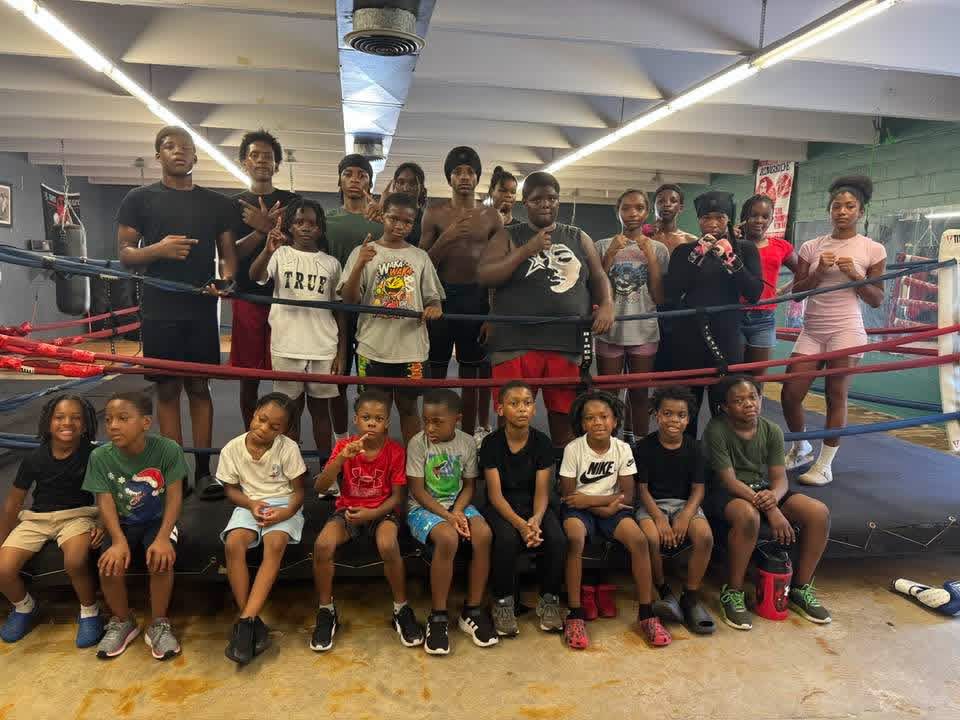
Robinson refused to write the children off. He described young people who can appear uninterested when they arrive at the program, while insisting that they want to learn. He challenged adults to look closely at the opportunities and guidance those children receive.
“And the kids that come to my program, they want to learn.”
For Robinson, that willingness creates an obligation. Adults have to provide a setting where it can develop. His discussion of funding kept coming back to what resources allow a program to do with a child’s time and potential.
Shabazz connected that responsibility to ownership. He spoke about building systems that children and business owners could benefit from. He wanted young people to inherit institutions that were already working, so they would not have to start from scratch.
Robinson also named elders as a central responsibility. His view of community strength included the people raising children, the people preparing those children for adulthood, and the older people whose care cannot become an afterthought.
Give the community the floor
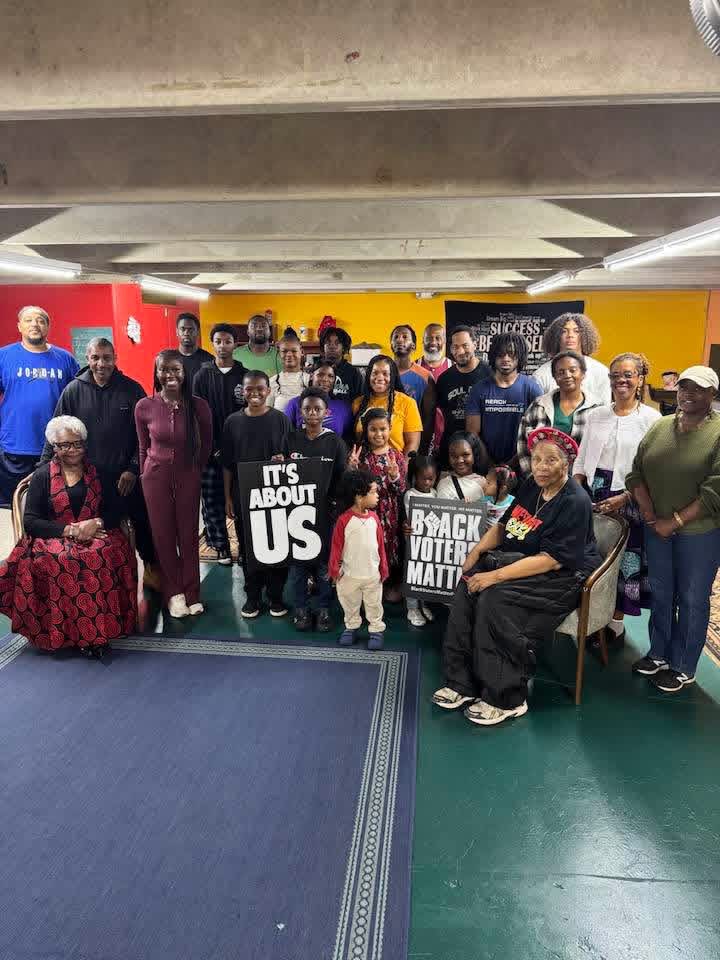
Robinson’s answer to frustration began with residents meeting one another and deciding what needed attention. He wanted space for people to compare experiences, challenge information, and work through disagreements before taking a shared agenda to elected officials.
“We don’t have to have community meetings where the elected officials doing all the talking.”
He imagined a room where residents could speak plainly about their needs and leave with something specific to put before a representative. In his example, the community would already have discussed its priorities. The official would receive a clear account of the work people wanted addressed.
Robinson made room for disagreement within that process. He said people should challenge one another’s information and bring their concerns into the open. He wanted meetings that helped people understand what was happening around them.
That concern surfaced in his discussion of changing neighborhoods. Robinson described displacement in Greenville and the strain he believed it placed on families and young people. His account emphasized how deeply changes in housing can be felt by those trying to maintain a community.
He wanted residents to receive enough explanation to understand decisions affecting their lives. Hearing that something is happening, he argued, can leave people far short of knowing what it means for them.
A record that can answer questions
Asked what people should consider before supporting a politician, Robinson began with their own needs. He then turned to the candidate’s record. What had the person accomplished while in office? What had changed? Had the work justified another term?
He repeatedly called for people to investigate claims and compare information. He also argued for introducing young people to civic knowledge early, so adulthood would find them better prepared to understand public decisions and take part in them.
For all the anger in the conversation, his closing message still urged participation. He told listeners to get out and vote, to be mindful of their choices, and to pay close attention to local leadership. His frustration fed a demand for greater involvement and clearer expectations.
By the end, the discussion had returned to the same responsibility that ran through it: building something people can depend on. Robinson spoke about the village required to raise a child and protect one another. Shabazz spoke about programs and institutions that future generations could step into.
For Robinson, that responsibility continues after the votes are counted. His measure of leadership remains close to the gym and the young people coming through its doors. The children still want to learn. He wants the adults with the power to help to show up.
KOURAGE & KULTURE
Reclaim the Narrative. Build the Future.
Freestyling the Facts — Where conversations become knowledge, knowledge becomes power, and power becomes progress.
Website: www.kourageandkulture.com
Contact: news@kourageandkulture.com