
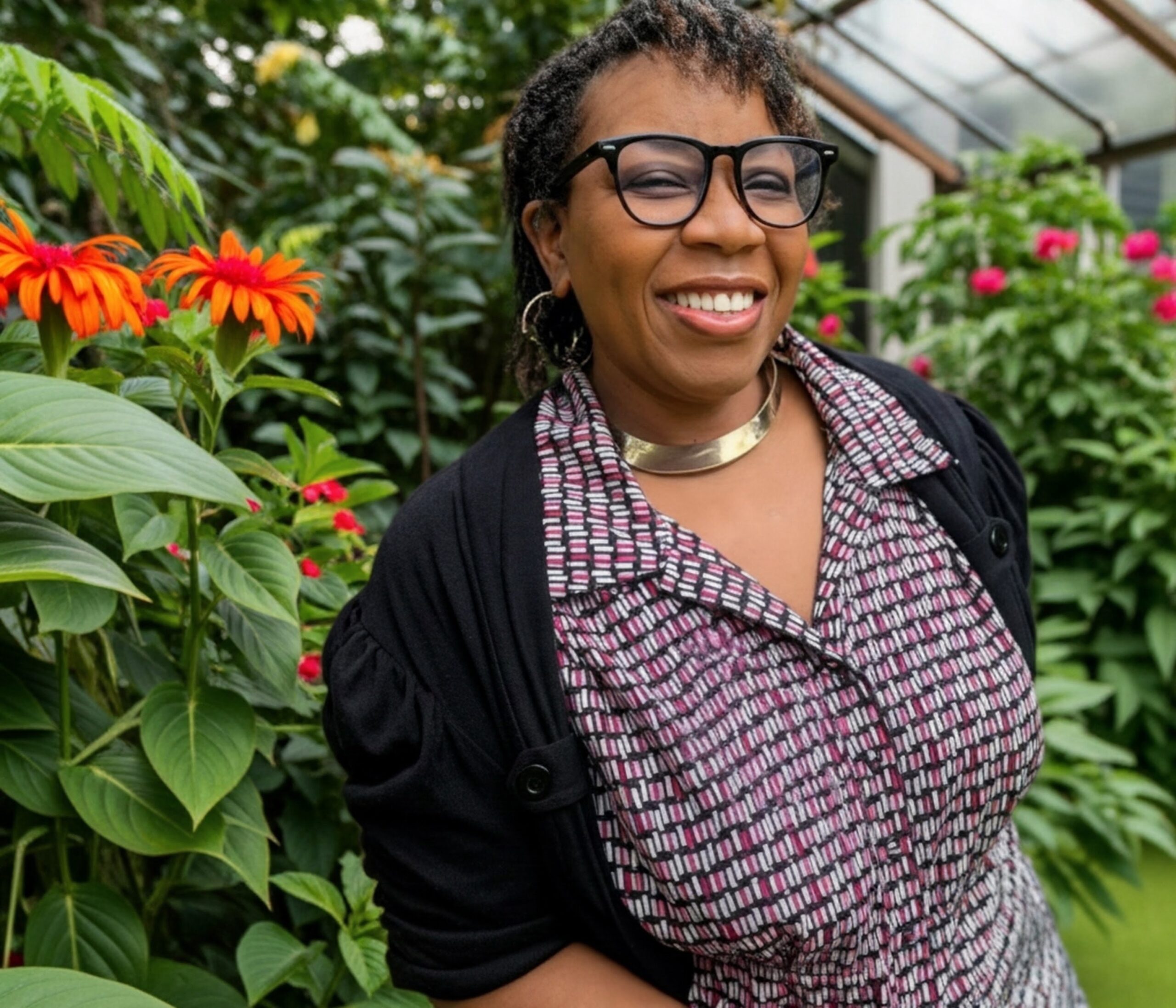
Tracie Hibbler on Why a Child’s Education Begins Long Before the Classroom
Before a child ever walks through a schoolhouse door, someone has already begun teaching them.
The first lessons don’t come from a textbook. They come from the voices children hear, the questions adults answer, the books placed in their hands, and the examples they witness every day.
Education doesn’t begin when the bell rings. It begins when a child begins experiencing the world.
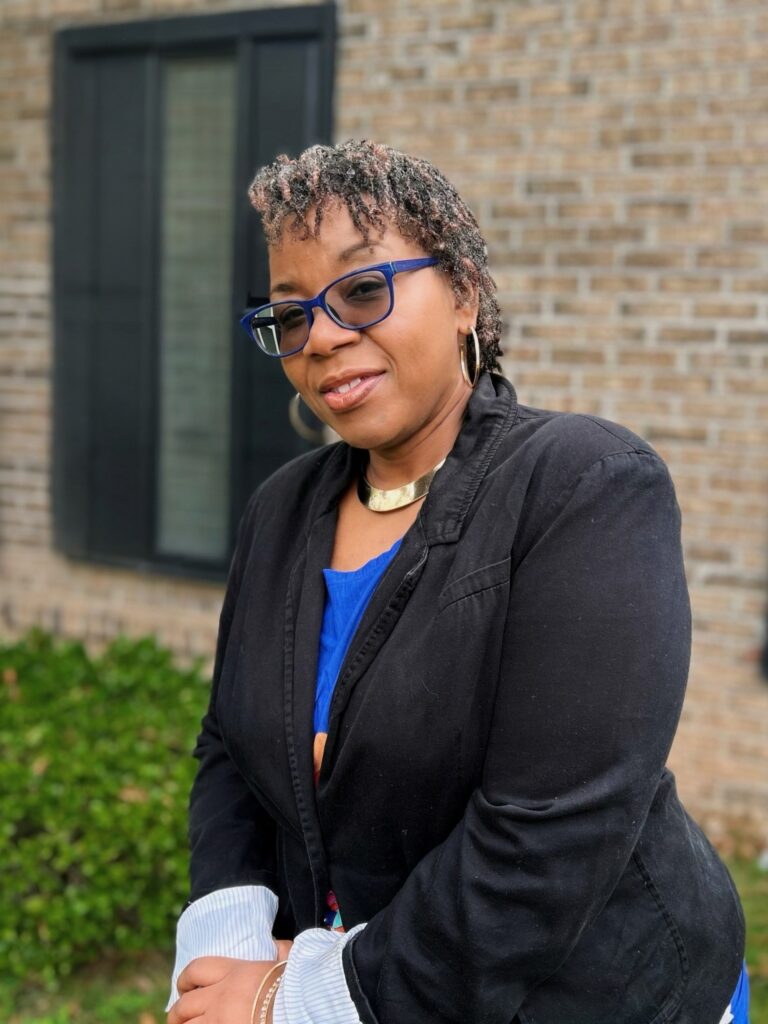
For Tracie Hibbler, an early childhood educator in Columbus, Georgia, that foundation is central to the work.
Her professional journey took her from an intellectual-property law office in Chicago, where she worked for approximately nine years, into early childhood education—a field in which she has spent nearly two decades.
Her career change offers an important perspective: some of society’s most consequential work happens long before children reach the later grades.
The First Classroom Is Home
A child’s earliest teachers are often the people who raise them.
Before learning multiplication or writing essays, children observe how adults communicate, solve problems, handle frustration, and treat one another.
They begin developing their understanding of the world through those experiences.
Parents and caregivers don’t need advanced degrees to contribute to a child’s education. They need engagement, consistency, encouragement, and a willingness to make learning part of everyday life.
Schools matter. Teachers matter. But education becomes stronger when families and educators work together rather than treating learning as something that happens only during school hours.
A Picture Can Tell a Thousand Lessons
One of the most revealing examples from Hibbler’s publicly described teaching practice involves allowing Pre-K children to tell stories from the pictures in books before they can independently read the words.
Consider what happens in that moment.
A child studies an illustration, recognizes details, organizes thoughts, and communicates a story aloud.
That activity can develop observation, vocabulary, sequencing, imagination, and confidence.
The National Association for the Education of Young Children likewise emphasizes storytelling, conversation, books, and playful learning as important parts of early literacy development.
The lesson is bigger than reading.
Children need opportunities to think, interpret, question, and express themselves—not merely repeat information.
Education or Indoctrination? Teach Children How to Think
There is a meaningful difference between helping a child understand the world and demanding that a child accept every explanation without question.
Education should strengthen curiosity.
It should encourage children to ask why, explore possibilities, recognize evidence, and develop confidence in their ability to learn.
That doesn’t mean abandoning structure or discipline. It means understanding that structure should support intellectual growth rather than suppress it.
A child who feels comfortable asking questions is developing a skill that extends far beyond the classroom.
Black Children Deserve to See Their Possibilities
For Black families, early education also carries a responsibility to affirm identity and expand opportunity.
Children should encounter stories, historical figures, professionals, inventors, artists, and community leaders who reflect the richness of their heritage.
Representation is not simply about seeing a familiar face in a book.
It is about making possibility visible.
A child who grows up seeing Black excellence across medicine, engineering, literature, business, science, and education gains examples of futures worth imagining.
And those examples should be paired with real opportunities to read, create, investigate, and achieve.
The Work We Cannot Afford to Postpone
Early childhood education is not merely preparation for what comes later.
It is part of the foundation upon which later learning depends.
Communities that value education must also value the educators, caregivers, and families doing this work every day.
For parents, that can begin with simple commitments: read together, talk together, encourage questions, make time for play, and recognize effort.
For educators, it means treating children’s curiosity and developing abilities with seriousness and respect.
For communities, it means understanding that investments in young children are investments in the future.
Tracie Hibbler’s professional journey reminds us that education is not confined to a school building or a job title.
It is a responsibility shared across generations.
Because before the first assignment, before the first report card, and before the first school bell—someone has already begun shaping the future.
Kourage & Kulture LLC
Freestyling the Facts
Reclaim the Narrative. Build the Future.
kourageandkulture.com
news@kourageandkulture.com