
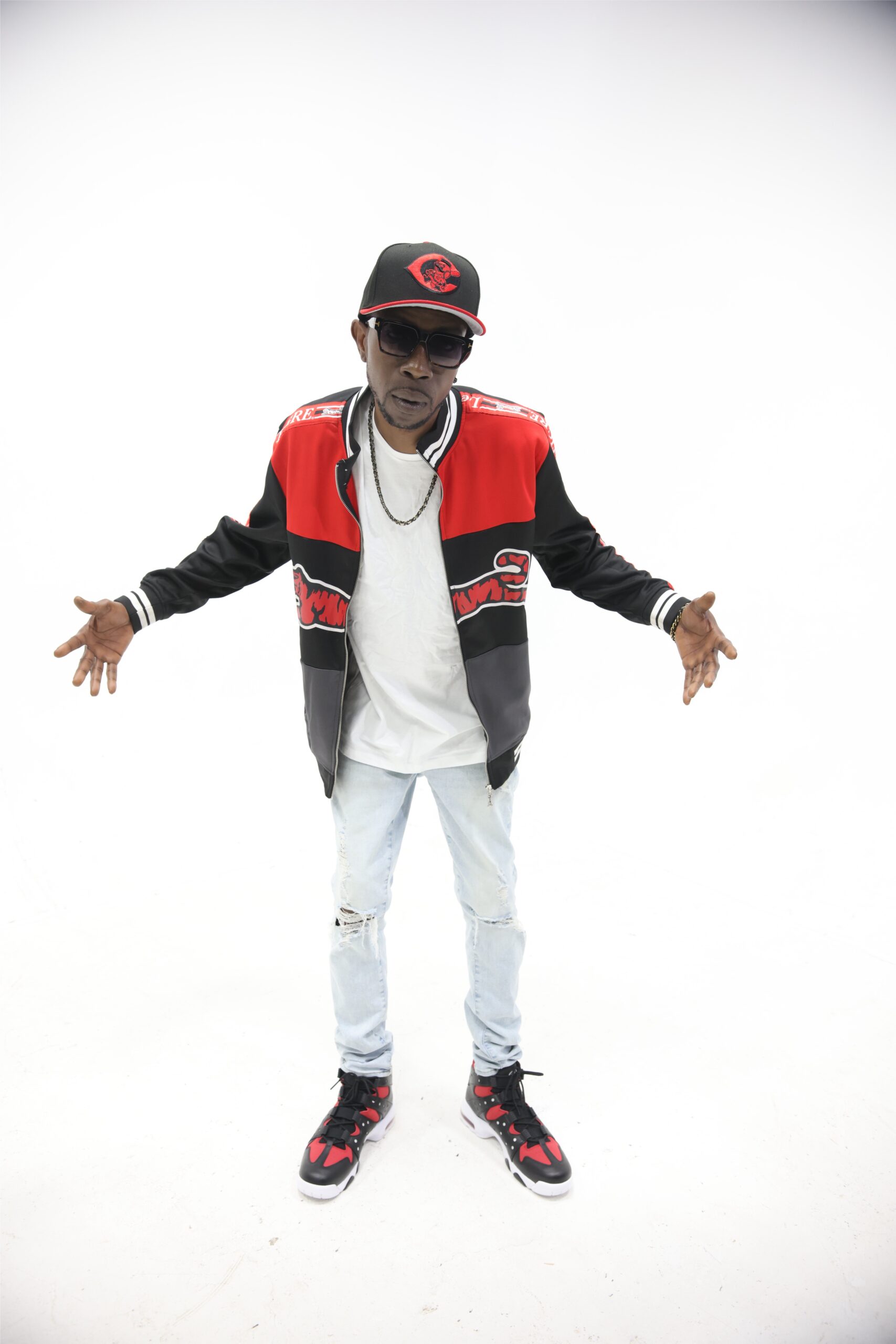
From a small Alabama town to independent music and screen storytelling, Dirk LP is building something bigger than a catalog of songs.
Some artists chase a hit. Others are determined to build something that will outlive them.
For Alabama-born hip-hop artist Derrick “Dirk LP” McGinnis, the conversation is no longer just about beats, lyrics, or recognition. It is about creative freedom, ownership, fatherhood, and the responsibility that comes with having a platform.
During an October 19, 2026, interview with Kourage & Kulture, Dirk LP opened up about the lessons behind his independent journey, his expansion into acting and visual storytelling, and why the next generation of Black creators must think beyond immediate success.
His story offers a reminder: Talent may open a door, but discipline, ownership, and purpose determine what gets built on the other side.
The Foundation: A Young Mind in Alabama
Dirk LP traces his beginnings to Harpersville, Alabama, a small town outside Birmingham.
Surrounded by older cousins, his brother, and neighborhood influences, he grew up immersed in hip-hop. He recalled listening to artists associated with EPMD, N.W.A., OutKast, and the Dungeon Family.
But his earliest involvement in the music business was not necessarily as a performer.
Around nine or ten years old, he was already trying to help older relatives and friends pursue record deals. He saw possibilities in their talent and eventually recognized that he had something of his own to contribute.
What began as curiosity became a creative direction.
When Kourage & Kulture asked what life taught him that talent alone could not, his answer centered on three qualities:
Consistency. Resilience. Work ethic.
Those lessons would become especially important when he decided to build independently.
Independence Has a Price — But Ownership Has a Purpose
Through BoutDatGrind Entertainment, Dirk LP chose to pursue his own creative direction rather than place his future entirely in the hands of a major record label.
He did not romanticize the process.
Independence, he explained, has cost him money. It has required personal investment, difficult lessons, and the loss of some relationships along the way.
But what he gained was something he considers more valuable: freedom.
“But I gained my freedom, bruh.”
For Dirk, independence means having the ability to make decisions about his music, develop new projects, and create opportunities for other people.
He spoke about opening doors for relatives and for his youngest son, who works in animation.
That distinction matters.
Ownership is not simply about being the person whose name appears on a business. It is about controlling the direction of the work, understanding the sacrifices required, and creating something that can continue beyond one individual’s career.
For Black entrepreneurs and artists, this raises an important question: Are we building only for today’s income, or are we establishing opportunities that the next generation can inherit and expand?
From the Recording Studio to the Screen
Dirk LP’s ambitions have expanded beyond music.
During the interview, he explained that a creative associate connected with Major Mind Media encouraged him to explore acting. Initially, Dirk was reluctant.
Once he tried it, however, the experience opened an entirely different creative avenue.
He discussed appearing in web productions, including work involving Stevie Baggs Jr., and participating in an ongoing series called The Manager. He also acknowledged collaborators, including Carlisle Jones, whose creative contributions helped him develop new ideas.
Those experiences led Dirk toward combining music and screen storytelling.
Instead of viewing songs and visual productions as unrelated projects, he began thinking about how they could reinforce each other.
A soundtrack could introduce listeners to a story. A web series could expose viewers to his music. Both could expand the reach of an independent brand.
The deeper lesson is that creativity does not have to remain confined to one format.
An artist can become a producer, actor, entrepreneur, and storyteller without abandoning the foundation that started the journey.
Technology Is a Tool — Not a Replacement for Genius
One of the interview’s most timely exchanges centered on artificial intelligence.
Kourage & Kulture asked Dirk how he balances emerging technology with protecting his originality and creative identity.
Dirk acknowledged experimenting with AI in connection with soundtrack work. He also recognized that music technology has undergone repeated transformations, from cassette tapes to CDs, digital files, and streaming.
Still, he expressed a strong attachment to traditional collaboration: artists working together, producers building tracks, and creative ideas developing through human interaction.
For his Call to Greatness material, he emphasized his desire to return to writing and producing work that reflects his personal artistry.
Kourage & Kulture reinforced the distinction between directing technology and allowing technology to define the creator.
The tool should serve the vision. The vision should never surrender itself to the tool.
For young Black creators entering an increasingly automated industry, the issue is not whether technology should be used. It is whether they understand their own voice, maintain control over their work, and recognize the value of the human creativity behind it.
Reclaiming the Stories We Tell
Perhaps the strongest connection between Dirk LP and Kourage & Kulture emerged when the discussion turned toward representation.
Dirk challenged the narrow range of stories that often dominate portrayals of Black men in entertainment.
He argued that Black creators have the ability to tell stories about fathers, professionals, entrepreneurs, and ordinary people carrying responsibility with dignity.
Black characters, he suggested, do not always have to be presented through violence, criminal activity, or destructive stereotypes.
They can be doctors, attorneys, hardworking fathers, and community builders.
This is where entertainment becomes more than entertainment.
The images repeatedly placed before young people can influence what they imagine is possible for their own lives.
Changing the narrative therefore requires more than criticizing existing portrayals. It requires creating alternatives.
It means developing our own characters, producing our own films, writing our own music, and giving audiences a fuller understanding of Black life.
That responsibility belongs to both the storyteller and the institutions willing to support independent voices.
Greatness Beyond the Spotlight
When asked what greatness means to him today, Dirk LP did not define it through fame, chart positions, or industry recognition.
He spoke instead about becoming a better person.
He identified being a good father, improving his finances, maintaining his character, and growing in every area of life as measures of success.
His advice to younger Black artists was equally practical: develop resilience, invest in yourself, accept constructive criticism, and continue moving forward.
The message is especially relevant in an era when public attention can make success appear immediate.
Building a lasting career requires more than visibility.
It requires patience when results are slow, accountability when mistakes occur, and the willingness to learn skills that extend beyond artistic performance.
Dirk’s perspective places character alongside creativity.
A successful career is valuable. A successful life demands even more.
The Legacy Is Bigger Than One Artist
Throughout the conversation, one idea continued to surface: what will remain after the music stops?
Dirk LP wants his work to create opportunities for others, support his family, and demonstrate that independent artists can build without surrendering their creative direction.
He also discussed releasing music from his Call to Greatness project on a continuing basis, encouraging listeners to follow his platforms for new material.
But the most important takeaway from the interview was not a release schedule.
It was the understanding that Black creative independence is connected to economic ownership, cultural representation, and generational responsibility.
The question is not simply whether Dirk LP can make another successful song.
It is what his example can teach the next young creator who has talent, limited resources, and a determination to build something of their own.
At Kourage & Kulture, that is the kind of story worth telling.
Because reclaiming the narrative means creating the images, institutions, businesses, and opportunities we want future generations to inherit.
And building the future means making sure the next generation has something meaningful to build upon.
Follow Dirk LP
Find Dirk LP on major music-streaming platforms and social media under Dirk LP. On Instagram, he identified his handle as @dirk_lp.
This feature is based on Kourage & Kulture’s recorded October 19, 2026, Zoom interview with Dirk LP. Statements about his experiences and projects are attributed to his interview testimony.
Kourage & Kulture LLC
Freestyling the Facts
Reclaim the Narrative. Build the Future.
kourageandkulture.com
news@kourageandkulture.com